The Experience
Walk the experience step by step
We start at Adams Greenhouse, move through vendors and service businesses, and end with a wrap-up conversation about what you saw, spent, and learned along the way.
Duration
3 hours
Meeting point
Adams Greenhouse
Pace
Easy walking with regular stops
Group size
Small groups, up to 6 guests
Before the walk
Know the rhythm before you book
I build the walk in layers so you can follow the story from the first introduction to the final conversation. We begin with context and wallet setup, move into real transactions, and finish with the wider questions around savings, remittances, and community learning.
Read the FAQ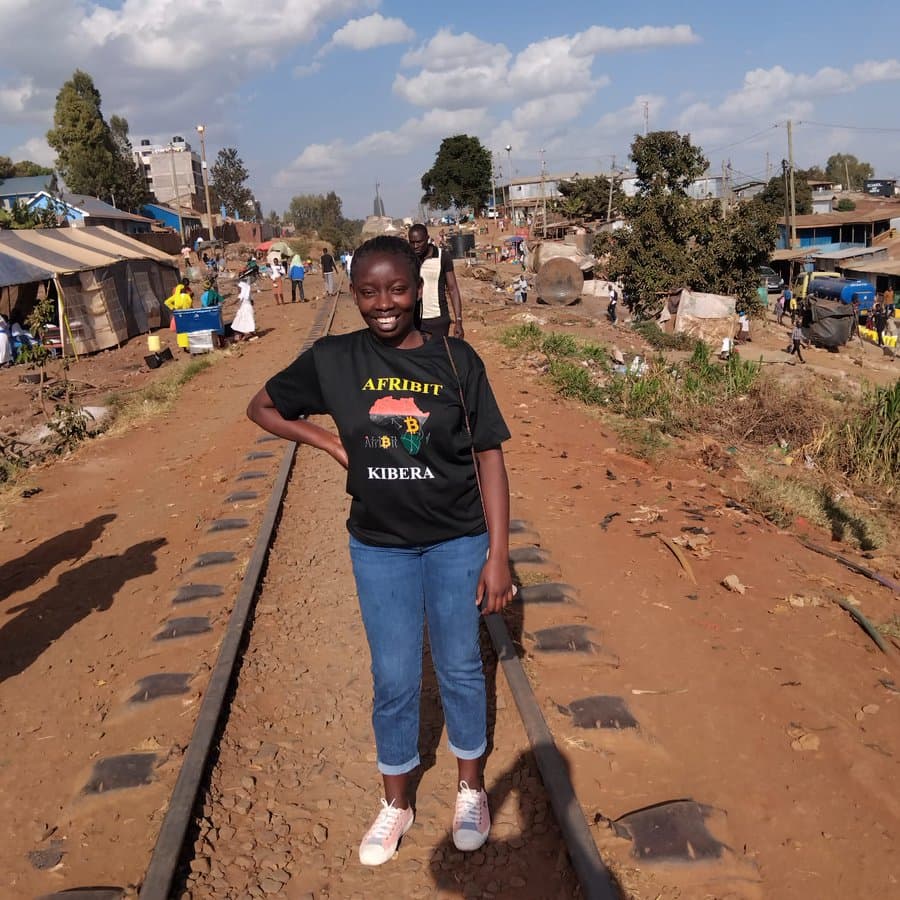
A note from Susan
I guide every stop with context, conversation, and room for your questions.
When you arrive, I want you to feel oriented, respected, and able to follow the story of the walk without pressure or performance.
What to bring
Comfortable walking shoes
A phone and a little battery
Water and a light bag
Curiosity and time for conversation
Booking summary
Pricing is agreed on request, depending on the route.
Lightning, card, or mobile money after confirmation
Every stop in order
The route from arrival to wrap-up
I designed the walk as a sequence. You begin with context, move into actual purchases and services, and finish with time to ask better questions about what you observed.
Stop 1
Adams Greenhouse
Meet-up and wallet setup
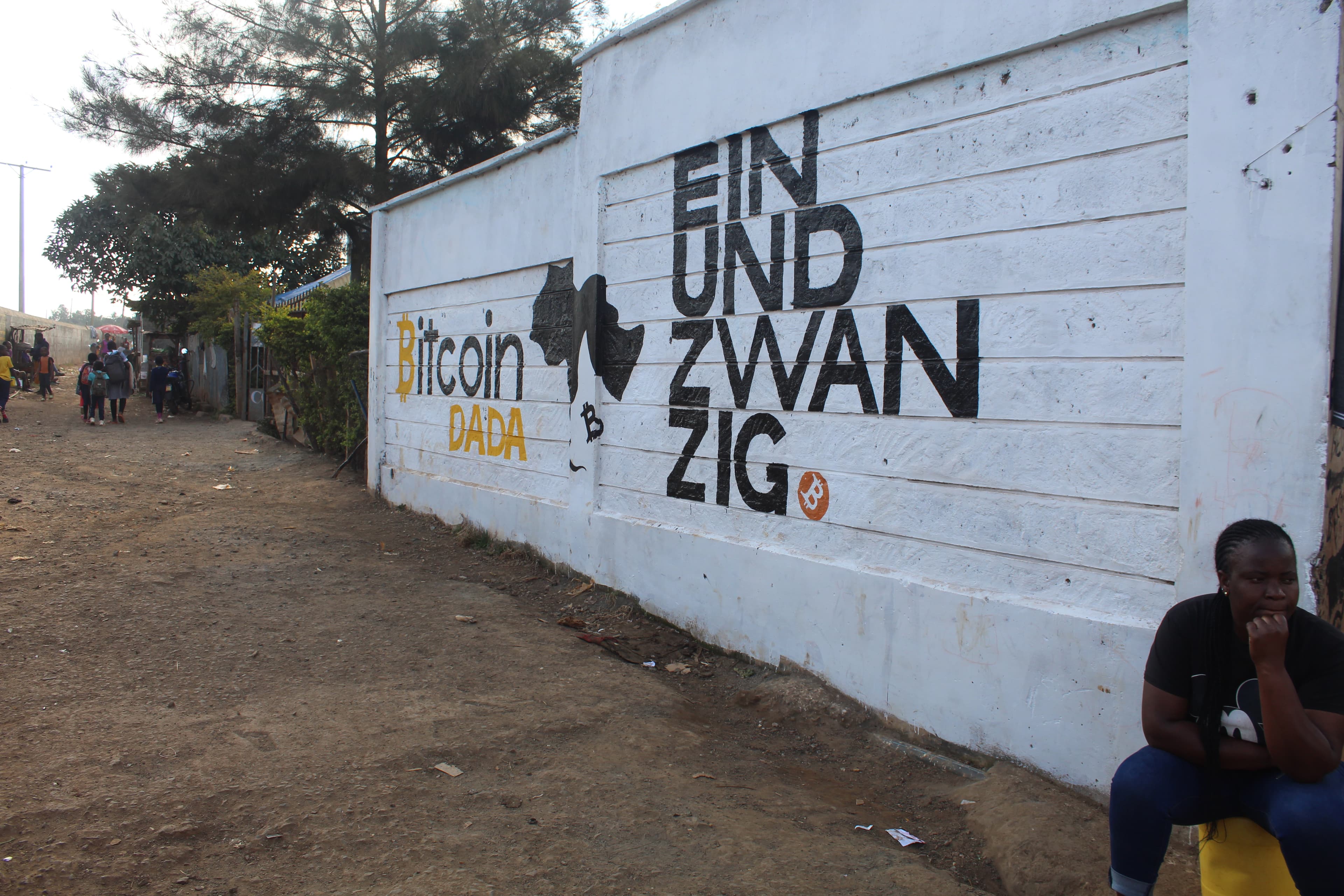
We meet at Adams Greenhouse on the edge of Kibera. I run a short safety briefing, share the shape of the walk, and give context on what Soweto West actually is — one of the eleven villages that make up Kibera, and the one where Bitcoin adoption has been growing since 2022. If you need a Lightning wallet, we set one up here before we walk.
Stop 2
Food vendor, Soweto West
Chapati stand and tea
We stop at a local food stand — a proper one, not arranged for tourists. You can buy a snack or tea using Lightning and watch how a vendor scans a payment from their phone. The vendor may tell you they keep some sats rather than convert immediately. That choice, and the reasoning behind it, is worth understanding.
Stop 3
General essentials shop
The neighbourhood duka
A duka is the everyday shop where Kibera residents buy soap, airtime, cooking oil, flour. We visit one that accepts Bitcoin. The shopkeeper here has been through the Afribit training program and will explain, plainly, how they think about holding sats versus shillings depending on the week.
Stop 4
Local barber or salon
Barber or service business
Service businesses tell a different story than product merchants. A barber who accepts Bitcoin is thinking about repeat customers, tips, and whether a payment can arrive before the client even sits down. This stop shifts the rhythm of the walk and usually generates the most direct conversation.
Stop 5
Youth space or open gathering point
Community hub conversation
This is where the walk slows down. We sit and talk about what Bitcoin actually solved here: no documentation needed to open a wallet, no bank branch to visit, no transfer fees eating into a day's earnings. We also talk about remittances — money sent from Kibera residents working abroad — and why the fees on traditional transfers matter enormously at these income levels.
Stop 6
Local café
Café wrap-up
We end with drinks and a debrief. This is space for questions, for things you noticed that I did not address, and for honest reflection. There is also an optional Lightning donation to one of the community initiatives we passed during the walk. My goal is to leave you with a clear picture of what you saw — not a simplified story, and not an inflated one.